Since 2020, Direct-to-Film (DTF) printing has experienced significant growth and has established itself as an essential process in textile printing. From the outset, the DTF printing industry was largely driven and dominated by Chinese manufacturers and equipment suppliers, often offering unbranded products that were rarely fully developed from a technological standpoint.
Over the years, thanks in particular to improvements in water-based inks and transfer films, this technology has continued to evolve, resulting in improved print quality and longer-lasting designs.
Major Manufacturers Enter the Market
Today, the arrival of major manufacturers has transformed DTF from an emerging, sometimes unstable technology into a reliable, high-performance industrial solution that meets the requirements of printing professionals.
Epson has played an important role in the maturation of this technology. By offering a solution specifically developed for DTF, the manufacturer has introduced a higher level of reliability, print quality, stability and technical support, meeting the demands of modern print shops.
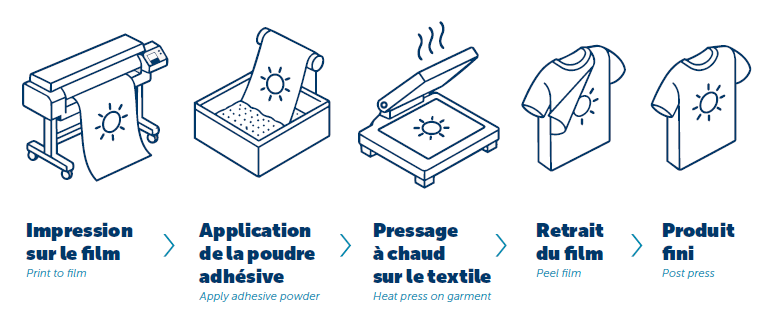
Steps in the DTF Printing Process
The design is printed onto a special film, then transferred onto a wide range of textile materials using a heat press.
Examples of Customisation
- T-shirts, polo shirts, sweatshirts and hoodies for businesses
- Workwear and personal protective equipment (PPE)
- Sports jerseys and sportswear
- Tote bags and fabric bags
- Caps (using certain adapted processes)
- Aprons for restaurants and food industry professionals
- Clothing for events, associations, clubs and schools
Why Is DTF So Successful?
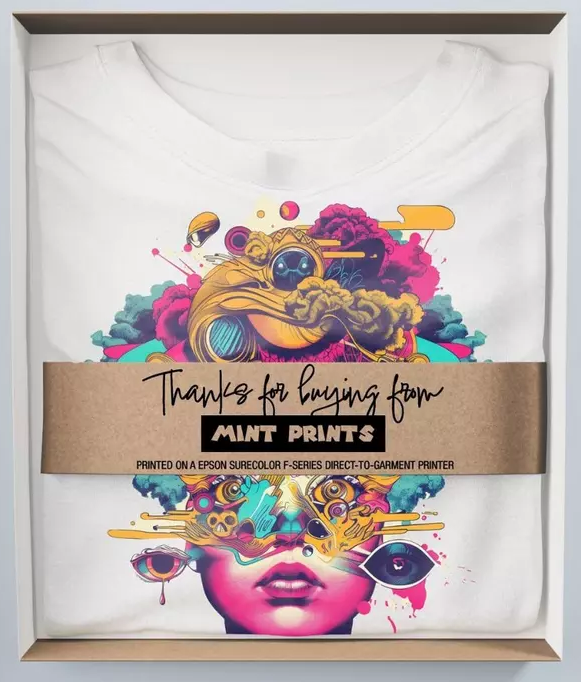
The success of DTF lies in a process that produces sharp, vibrant colours on both light and dark fabrics, offering great versatility.
What makes DTF transfers particularly distinctive is their ability to produce complex designs, rich in colour and fine detail, easily and at a lower cost.
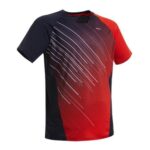
All Types of Textile Materials:
Cotton, polyester, silk, Lycra, linen, parkas, sweatshirts, synthetic fibres…
All Types of Colours:
Black, bright colours, light colours, white.
Epson SC-G6000 Printer
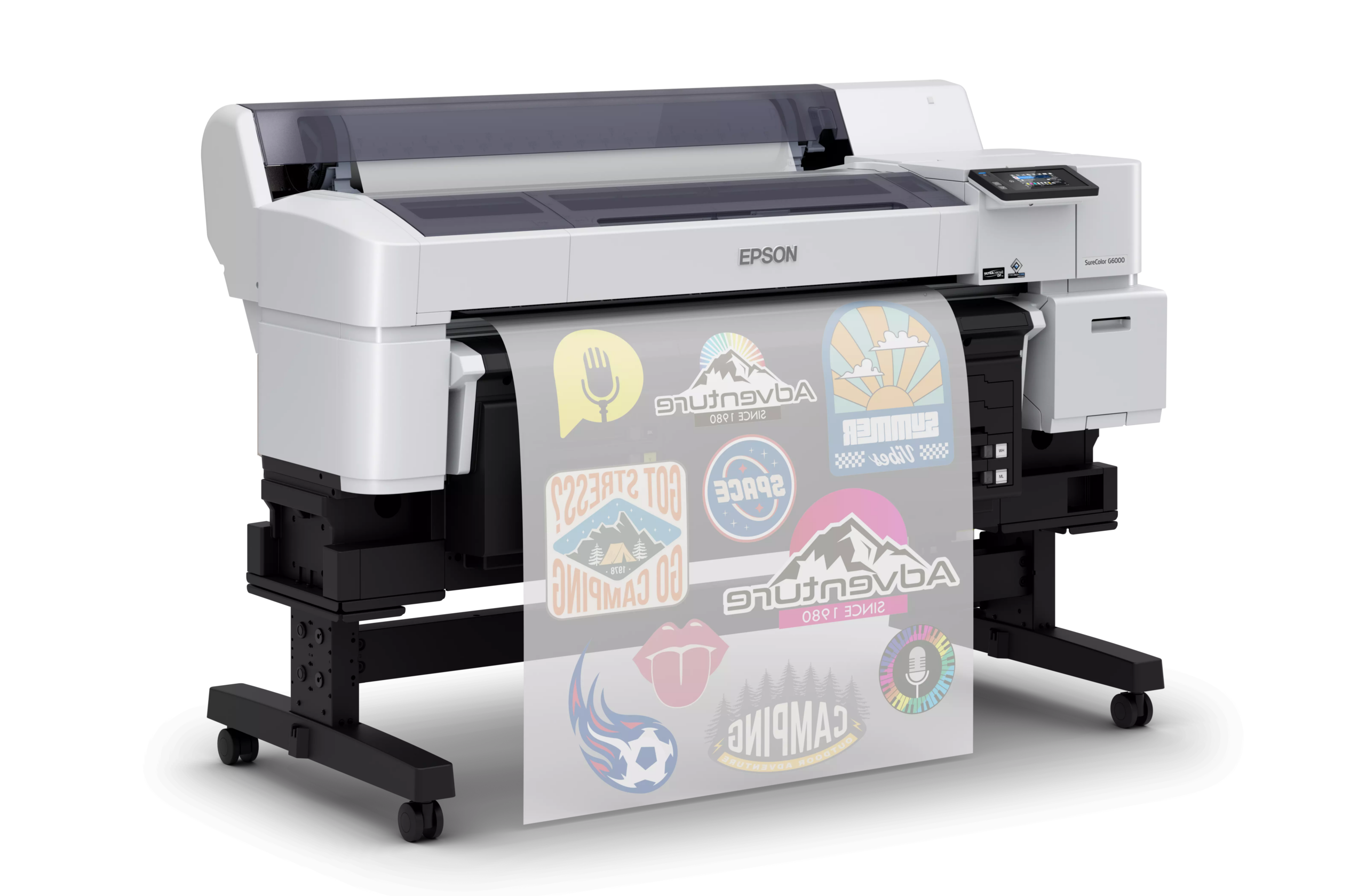
Based on SureColor technology, this roll-to-roll DTF printer benefits from the expertise of a recognised leader in professional printing.
Equipped with a PrecisionCore™ Micro TFP printhead, it delivers consistent print quality, accurate colours and excellent detail reproduction.
Its design is tailored to production environments, featuring a white ink circulation system, large-capacity 1.6 L ink tanks and optimised management of continuous printing.
A reliable solution for professionals seeking performance, productivity and consistency.
Adkins Compact 600 Inline Finishing Module
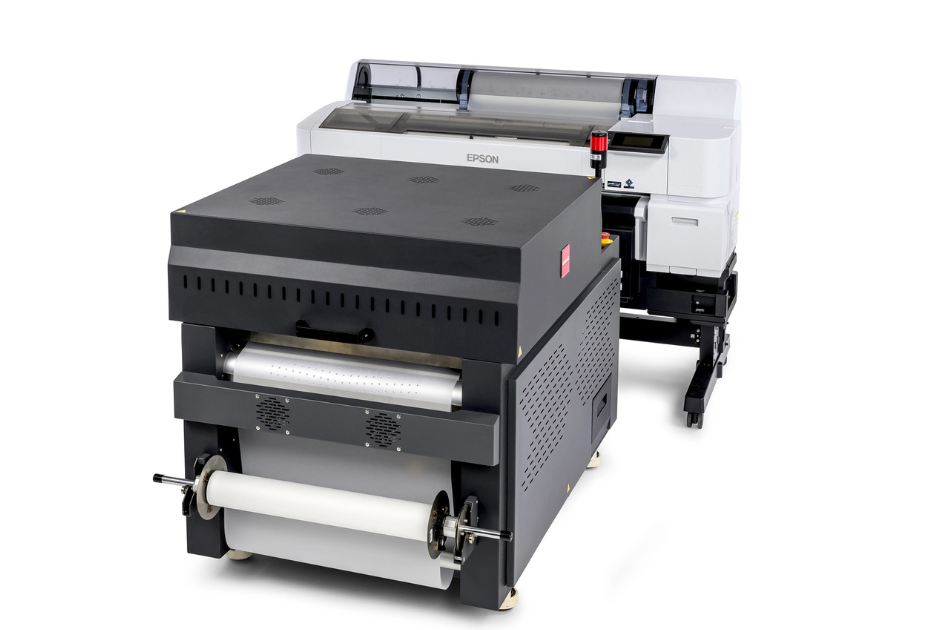
Designed and tested to integrate seamlessly with leading DTF printers on the market, while supporting high print volumes without compromising quality. Featuring automatic operation, fast drying and low energy consumption to reduce energy costs.
The Compact 600 offers all the features expected from a DTF powder shaker and dryer, and much more, in a compact design, providing a versatile, highly efficient and reliable solution for your production and workflow.
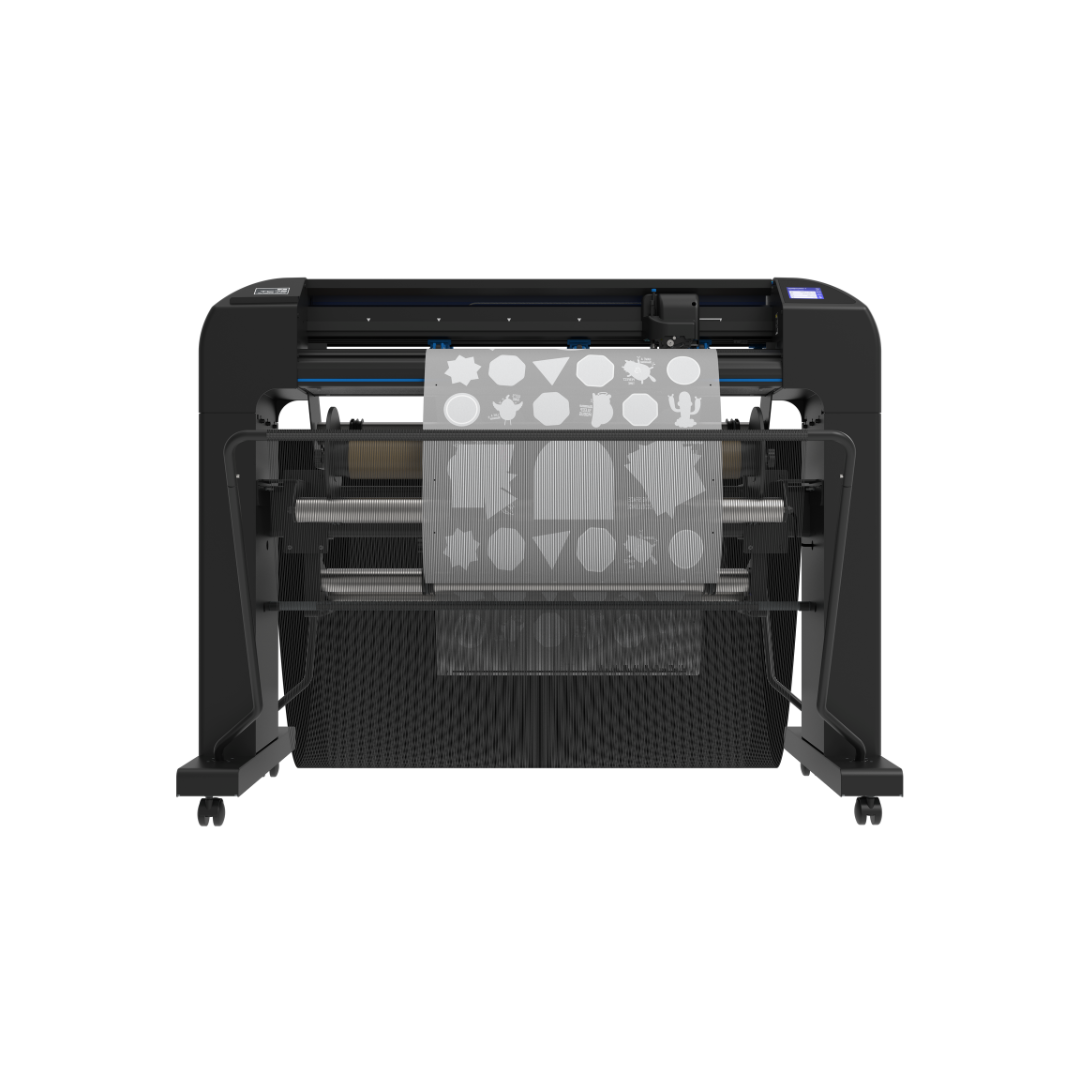
Summa S3 TC75-DTF Offline Cutting Module
By complementing your Epson printer and Adkins oven setup, you can optimise your workflow and benefit from a dedicated textile printing production line.
Cutting DTF films requires great precision to ensure perfectly outlined designs. Thanks to its high-performance media transport system and excellent reliability, the SUMMA delivers clean, consistent cuts, even in roll-to-roll production.
Robust and designed for intensive use, it helps reduce material waste, optimise production times and ensure consistent quality, batch after batch.